
Film Installation Tools
These tools include high-quality primers, designed specifically for the application of self-adhesive interior films. Our Coala Interior Film Primers come in two types: an aqueous primer for absorbing surfaces and a solvent primer for non-absorbing surfaces, both available in 1L bottles. These primers ensure optimal adhesion, enhancing the durability of your installations. With coverage of 100-150 m² per litre and a 10-year warranty against issues like cracking or yellowing, you can depend on Antalis for reliable film installation solutions to bring your visual projects to life.
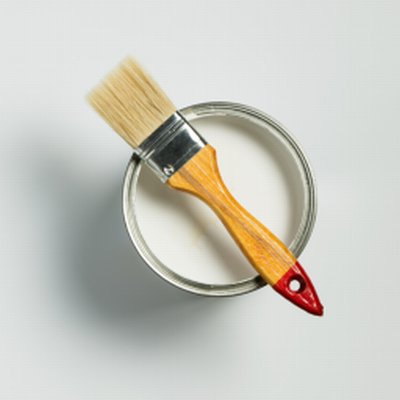
What types of surfaces can film primers be applied to?
Architectural film primers are versatile tools used to prepare various surfaces for the application of architectural films. They can be applied to absorbing surfaces like wood and plasterboard using Coala Aqueous Primer, and to hard, non-absorbing surfaces such as metal and marble using Coala Solvent Primer. This ensures optimal adhesion and a high-quality finish across different materials.
What are the best practices for using film installation tools?
For the best results with film installation tools, start by thoroughly preparing the surface. Clean it to remove dust and grease, then choose the appropriate primer based on the surface type. Apply the primer evenly using a brush and allow it to dry as per the manufacturer's guidelines. Ensure a certified installer completes the installation and follow the recommended temperature guidelines for optimal adhesion and performance of your architectural films.
How do temperature conditions affect film installation?
Temperature plays a critical role in film installation. When using Coala Interior Film Primers, it's recommended to maintain a consistent temperature between 15-25°C during application. This ensures the primers perform optimally, allowing for secure adhesion.
Adverse temperatures can hinder the adherence process, affecting the outcome of your visual communication project. Always monitor conditions to ensure the longevity and quality of the installation.