
Kraft Paper
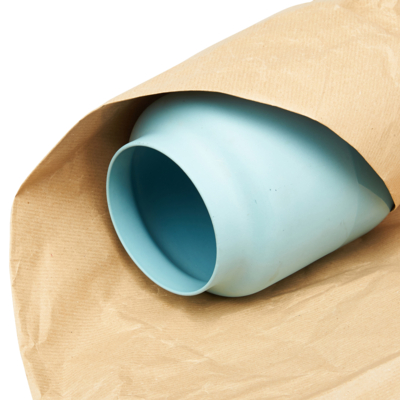

What is the difference between Pure Kraft and Imitation Kraft paper?
Pure Kraft is made from unbleached virgin fibres, giving it superior strength, durability, and puncture resistance. It is ideal for protective packaging, wrapping, and interleaving. Imitation Kraft, on the other hand, is made from recycled fibres, making it a cost-effective and sustainable alternative. While it offers good protection for light to medium applications, it is less durable than pure Kraft and is mainly used for general wrapping, void filling, and surface protection.
Is Kraft paper recyclable and biodegradable?
Yes, both types are fully recyclable and biodegradable. Pure Kraft paper is made from unbleached virgin fibres, ensuring high strength while being fully recyclable. Imitation Kraft paper is produced from 100% recycled fibres and can also be recycled after use. Both types of Kraft paper break down naturally,? making them a sustainable choice for packaging, reducing environmental impact compared to plastic alternatives.
What industries use Kraft paper for packaging?
Kraft paper is widely used across multiple industries for its versatility and protective properties. The retail and ecommerce sectors use it for wrapping and void filling, ensuring products remain secure in transit. The automotive and industrial sectors rely on it for protecting parts from dirt. Print and publishing businesses use it for wrapping books and printed materials. Additionally, it is popular in the food, glassware, and textile industries for interleaving and surface protection.
How does the weight (GSM) of Kraft paper affect its durability?
The weight of Kraft paper, measured in grams per square metre (GSM), directly impacts its strength and durability. Lower GSM papers are lightweight and flexible, suitable for wrapping delicate items or interleaving. Higher GSM Kraft paper offers superior puncture and tear resistance, making it ideal for heavy-duty packaging, surface protection, and padding. Choosing the right GSM ensures the best balance between cost, protection, and sustainability for specific packaging needs.