
Loose Fill
Antalis offers high-quality loose fill solutions, including 100% recycled options and biodegradable bio chips that are compostable. Part of the Master’in Access range, these products ensure cost-effective, reliable protection without compromising quality.
What are the benefits of using loose fill for protective packaging?
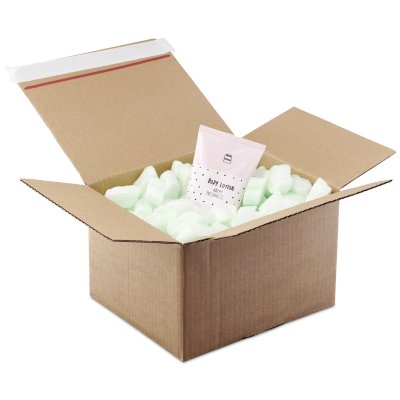
Loose fill is a highly effective protective packaging solution designed to protect products from shocks, impacts, and movement during transit. Its free-flowing nature allows it to fill gaps efficiently, securely holding items in place. The lightweight design helps reduce shipping costs, while its high compressive strength ensures reliable cushioning. This product is particularly useful for packaging irregularly shaped or fragile items, creating a soft yet secure barrier that absorbs impact and prevents damage.
Is loose fill packaging recyclable and biodegradable?
Yes, Antalis offers Loose Fill Master’in Access, which includes both 100% recycled loose fill and biodegradable chips. The recycled option provides an eco-conscious protective packaging solution, while the biodegradable chips are compostable in domestic or bio waste, making disposal easy and sustainable. These options allow businesses to maintain effective protective packaging while reducing their environmental footprint.
What industries commonly use loose fill for packaging?
Loose fill is widely used across industries that require secure packaging for delicate or irregularly shaped items. Ecommerce and retail businesses rely on it to protect products during shipping. The electronics industry uses void fill to cushion fragile components, while manufacturers of glassware, ceramics, and automotive parts benefit from its shock-absorbing properties. Additionally, it is a preferred solution for logistics and distribution companies looking for a cost-effective, flexible void fill option.