
Stopping Corrosion Begins with the Right Packaging

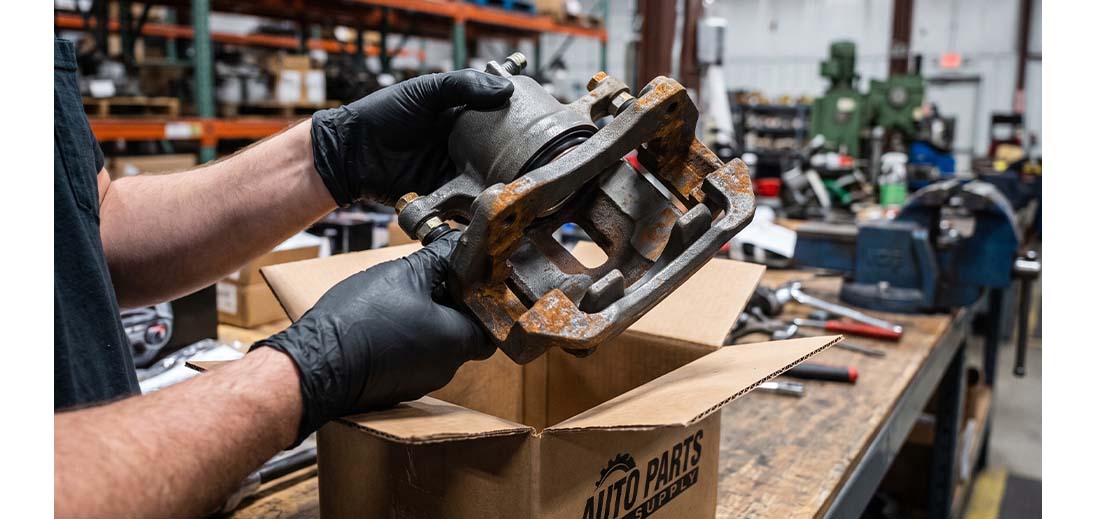
Reliable corrosion defence takes more than just adding a desiccant packet. Grasping the nuances of your product, its transit environment, and the broader supply chain is crucial to avoiding expensive moisture-related damage.
Reliable corrosion defence takes more than just adding a desiccant packet. Grasping the nuances of your product, its transit environment, and the broader supply chain is crucial to avoiding expensive moisture-related damage.
Why corrosion prevention demands a closer look
For businesses shipping metal parts, rust and corrosion can turn into a pricey dilemma long before the goods arrive at their end user. This is especially true for items moved via sea freight, air cargo, or placed into extended storage, where shifts in temperature and humidity can easily cause condensation to build up inside the packaging.
The fallout from this can be severe. Rusted components often face scrappage and replacement, leading to production bottlenecks, supply chain friction, and dissatisfied clients. In high-stakes industries like aerospace and automotive, where parts hold high value, these delays have massive ripple effects.
Industry estimates suggest that roughly 2-4% of ocean freight arrives damaged, resulting in global costs of around £50-60 billion annually. Of that figure, between 10% and 20% is directly linked to humidity or condensation issues, accounting for an estimated £6-8 billion in yearly supply chain losses.
Fortunately, guarding against corrosion doesn't need to be complex. Success simply comes down to choosing the correct combination of protective materials and applying them properly.
1. Know exactly what you are protecting
There is no single, universal fix for corrosion.
You must factor in the metal type, dimensions, value, surface finish, and the anticipated duration of storage. The underlying reason for needing protection must also be considered.
For instance, a part being shipped across the globe by sea will encounter vastly different climates than one sitting in a climate-controlled facility for a few weeks.
Understanding the exact demands of the journey is the crucial first step. It dictates the most suitable materials and exact volumes needed, mitigating the risk of under-protecting your goods or wasting budget on excessive packaging.
2. Calculate the precise level of protection
It’s a common misconception that tossing in extra desiccant equals superior safety.
The actual amount you need relies on several variables, including the box dimensions, the product's weight and characteristics, and the specifics of its transit and storage.
Rather than relying on outdated habits or guesswork, a packaging expert can pinpoint the exact volume required for your specific use case. Nailing this calculation not only boosts product safety but also keeps material costs in check.
3. Pick the ideal VCI or desiccant
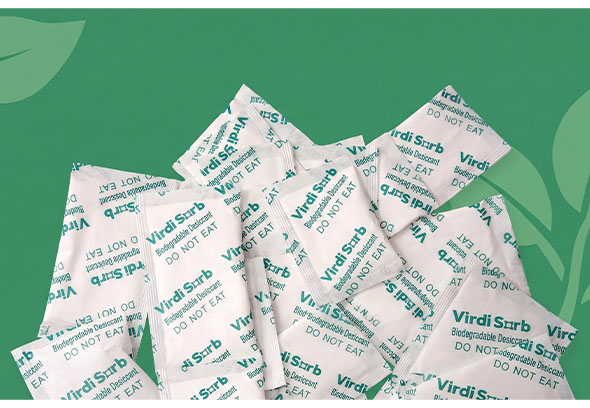
Volatile Corrosion Inhibitors (VCIs) and desiccants operate in very different ways. Choosing between the two - or deciding to pair them - requires a solid understanding of your application.
Desiccant options range from clay and silica to biodegradable solutions like Virdisorb. No single material is perfect for every scenario.
Virdisorb, for example, was engineered as a more sustainable alternative to silica gel. According to product data, manufacturing it can cut CO₂ emissions by 71kg per kilogram compared to silica gel, while delivering the same absorption rates. On a pallet scale, that saves approximately 30 tonnes of CO₂.
Your final choice should weigh both the protective performance and the wider environmental footprint of the packaging.
4. Assess the entire workflow, not just the pack
Rust is occasionally blamed on packaging when the true culprit could lie elsewhere in your operations.
In one instance, metal parts began showing signs of finger staining. While initial assumptions pointed to a packaging failure, an on-site audit revealed that night shift workers were cutting the fingertips off their gloves for better grip. This transferred acidic fingerprints directly onto the metal, causing the damage.
This perfectly highlights why you must evaluate the entire handling and packing lifecycle.
Similarly, if a business applies protective grease to a part and then throws in a desiccant, the desiccant might draw in the grease, neutralising the initial layer of protection.
5. Reassess your strategy as supply chains shift

The transit conditions your products face must always dictate your packaging specifications.
Fluctuations in temperature and humidity are critical factors. Certain silica-based desiccants pull in moisture in cooler environments but can release it back into the packaging when exposed to extreme heat, actively creating new risks for the product.
Air freight also carries unique challenges. Security personnel may need to easily identify your packaging and desiccants. If a package is torn open for inspection, the protective atmosphere created by the desiccant can be instantly ruined.
Therefore, your packaging must be viewed as an integrated part of the supply chain, not just an afterthought.
Don't ignore the packaging mix.
While VCIs and desiccants do a great job on their own, the strongest strategies pair them with the right barrier films, cartons, and protective outers.
In certain scenarios, rethinking your packaging mix can entirely remove the need for messy processes like oiling or greasing. This cuts down on labour and packing times, streamlining your operations.
The ultimate goal is to find the perfect blend of materials for your product, balancing performance, budget, labour requirements, and eco-friendliness.
How you store your protective materials is equally critical. Because some desiccants start pulling moisture from the air the second they are exposed, they must be kept in airtight containers to preserve their efficacy.
The takeaway: Customisation is vital
Preventing rust requires a holistic view of your product’s lifespan - from the manufacturing floor and packing station to storage, transit, and the final unboxing.
Keep these five core principles in mind:
1. Know your product and the exact threats it faces.
2. Determine the precise volume of protection needed.
3. Choose the best VCI, desiccant, or combination of both.
4. Audit your full handling and packing workflow.
5. Evolve your packaging strategy as products, tech, and transit routes change.
Protective technologies are always advancing, meaning the methods you've relied on for the past decade shouldn't be your only option today. While traditional wooden crates and heavy grease might still work for some, modern VCIs and advanced desiccants often provide leaner alternatives that cut labour costs and boost efficiency.
For businesses battling ongoing corrosion issues, the best first step is an audit of the entire packing workflow, rather than blindly adding more desiccant. Partnering with a packaging expert can help you pinpoint exactly where moisture is breaching your supply chain, calculate the exact protection you need, and discover whether new materials could yield better results.
This is exactly where Antalis Packaging steps in, offering manufacturers a highly consultative approach to stopping rust. By looking at your product, packaging format, storage environment, and transit routes as one connected ecosystem, our goal is to co-create a protective strategy that balances safety, cost, labour, and sustainability.
At the end of the day, winning the fight against corrosion starts with asking the right questions. Instead of over-packing, manufacturers must evaluate their product, environment, and supply chain to build a tailored defence.